27 Aug 2026
Tracing Roulette Software Evolution from Core Coding to Cross-Device Certification
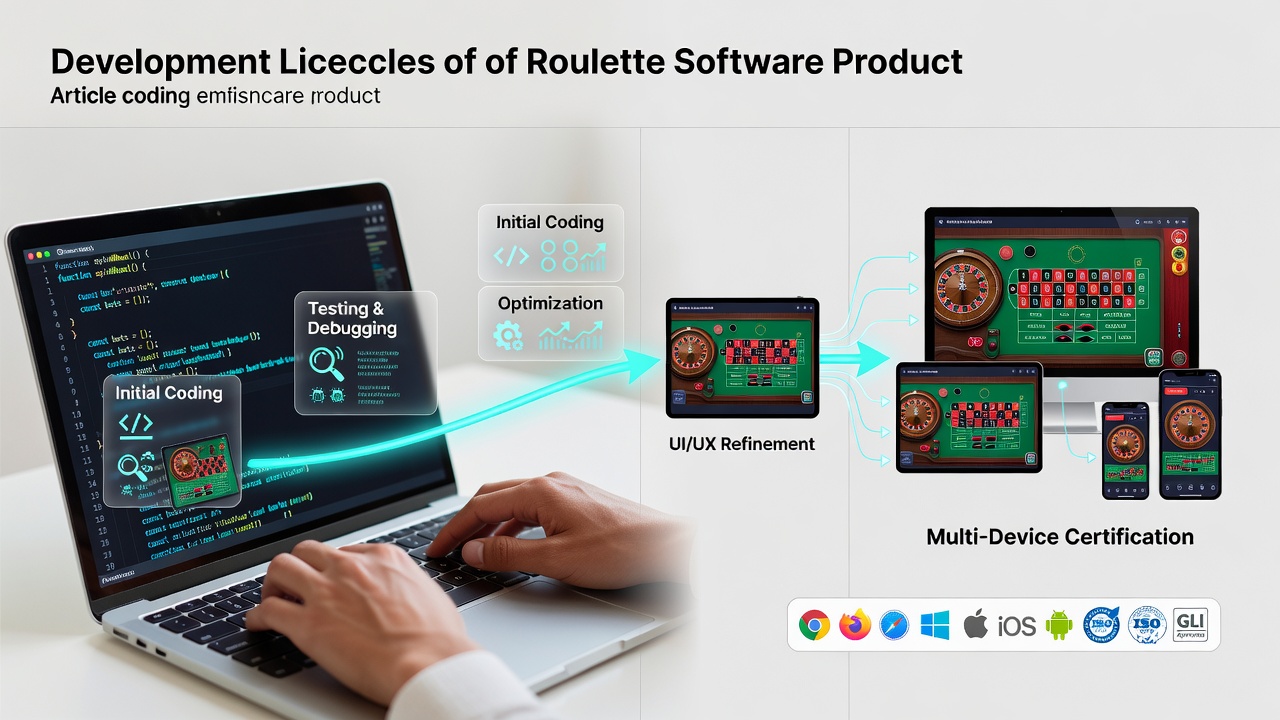
Early Code Foundations in Roulette Systems
Developers begin roulette software projects by establishing core algorithms that handle random number generation alongside wheel physics simulations, and this phase requires precise mathematical modeling to ensure each spin outcome meets regulatory standards for unpredictability while code structures remain modular enough for later expansions across platforms. Teams often integrate pseudorandom number generators at this stage because they must balance computational efficiency with statistical randomness that passes rigorous testing protocols established by independent laboratories.
Code repositories track every modification during initial builds and version control systems allow multiple engineers to collaborate on separate modules such as bet placement interfaces and payout calculators without introducing conflicts that could compromise game integrity. Research from institutions like the University of Nevada's gaming studies program shows that early integration of device-agnostic frameworks reduces rework later when projects scale to mobile and tablet environments.
Building Functional Prototypes and Internal Testing
Once foundational code stabilizes, programmers shift focus to prototype creation where basic game loops connect user inputs with simulated wheel spins, and internal quality assurance teams run thousands of automated cycles to identify edge cases in betting logic or display rendering. This iterative process incorporates feedback loops that refine everything from animation timing to sound synchronization, yet developers maintain strict separation between client-facing features and backend randomness engines to prevent any tampering vectors.
Engineers frequently employ unit testing frameworks alongside integration suites that verify interactions between different software components, and data logs from these sessions feed into performance benchmarks that compare spin resolution speeds across varying hardware configurations. Observers note that projects reaching this milestone typically allocate 30 to 40 percent of total development time to these validation steps before advancing toward external review.
Expanding Compatibility Across Devices and Platforms
Multi-device adaptation begins once desktop versions achieve stability because developers must now optimize rendering pipelines for smaller screens and touch controls while preserving the same random outcome sequences that certified RNG modules produce. This requires responsive design techniques that adjust interface elements dynamically and separate graphics assets into scalable formats that load efficiently on both high-end tablets and older smartphones.
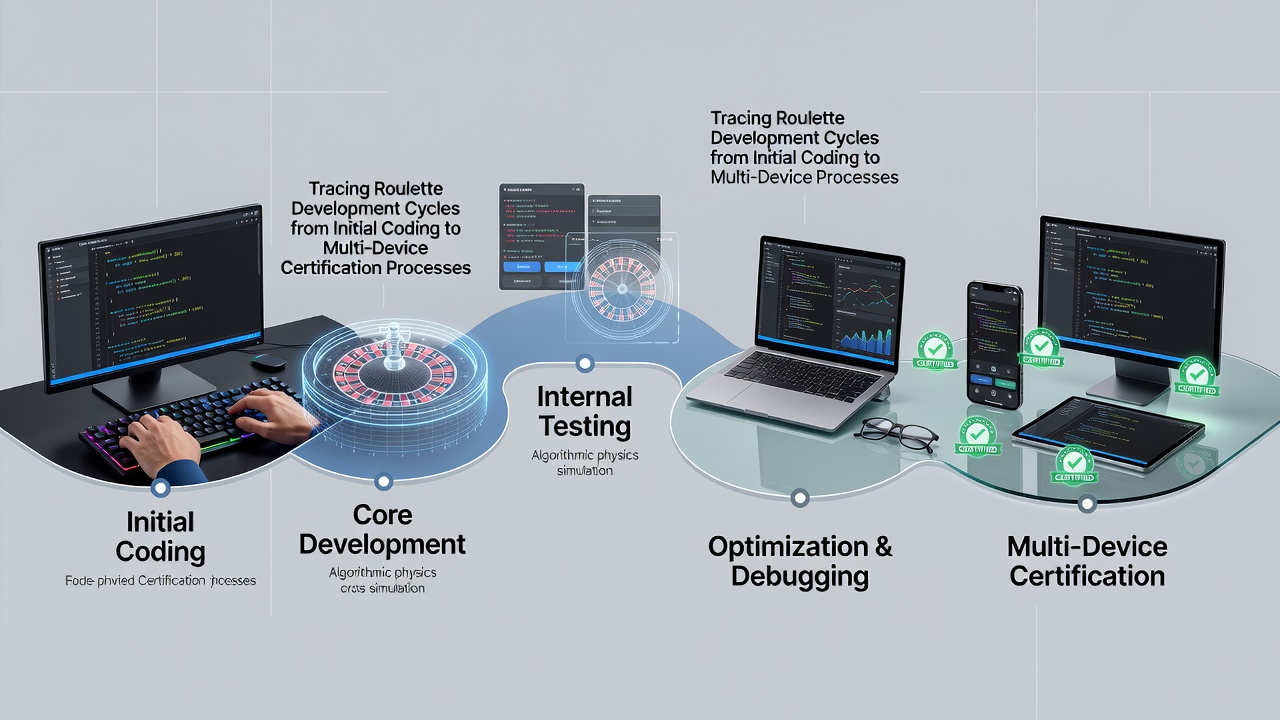
Cross-platform frameworks such as Unity or custom WebGL implementations help maintain consistency, and testing labs simulate network conditions that range from stable broadband to intermittent mobile connections to confirm uninterrupted play sessions. Figures from industry reports compiled by Gaming Labs International reveal that certification timelines extend by an average of four to six weeks when teams address compatibility issues discovered during this expansion phase, particularly around August 2026 when updated HTML5 standards introduced stricter security requirements for browser-based deployments.
Navigating External Certification and Regulatory Approval
Independent testing agencies evaluate completed builds against jurisdiction-specific criteria that cover randomness fairness, payout accuracy, and security protocols, and these evaluations often span multiple rounds of submissions because minor discrepancies in code behavior trigger detailed re-examinations. Laboratories apply statistical analysis tools to millions of simulated spins while also conducting source code reviews that verify no hidden functions alter expected outcomes under any circumstances.
Regulatory bodies in regions including Nevada and various Australian states require documentation packages that detail every development decision alongside test results, and successful passage grants the certifications necessary for commercial distribution. Those who've tracked industry patterns observe that projects incorporating proactive compliance checks during earlier coding phases experience fewer delays at this final gate because documentation aligns closely with observed system behaviors.
Post-Certification Maintenance and Ongoing Updates
After initial approvals, development teams continue monitoring live performance metrics to detect any drift in RNG behavior or interface responsiveness across newly released device models, and scheduled patches address emerging compatibility concerns without requiring full recertification in most cases. Continuous integration pipelines automate regression testing that confirms updates preserve certified characteristics, while audit trails provide regulators with transparent records of all modifications.
Industry organizations such as the European Gaming and Betting Association compile aggregated data on certification volumes that highlight increasing emphasis on multi-device support as player habits shift toward portable access methods. This ongoing cycle ensures roulette software remains reliable as hardware ecosystems evolve over time.
Conclusion
The complete path from initial coding to multi-device certification encompasses structured phases that prioritize mathematical integrity, platform adaptability, and regulatory compliance at each step, and successful projects demonstrate how early architectural choices influence later efficiency. Data indicates that thorough documentation combined with iterative testing produces outcomes that satisfy diverse global standards while supporting seamless player experiences across environments.