18 Aug 2026
Independent Testing Facilities Conduct Multi-Stage Evaluations of Roulette Systems in the UK Market
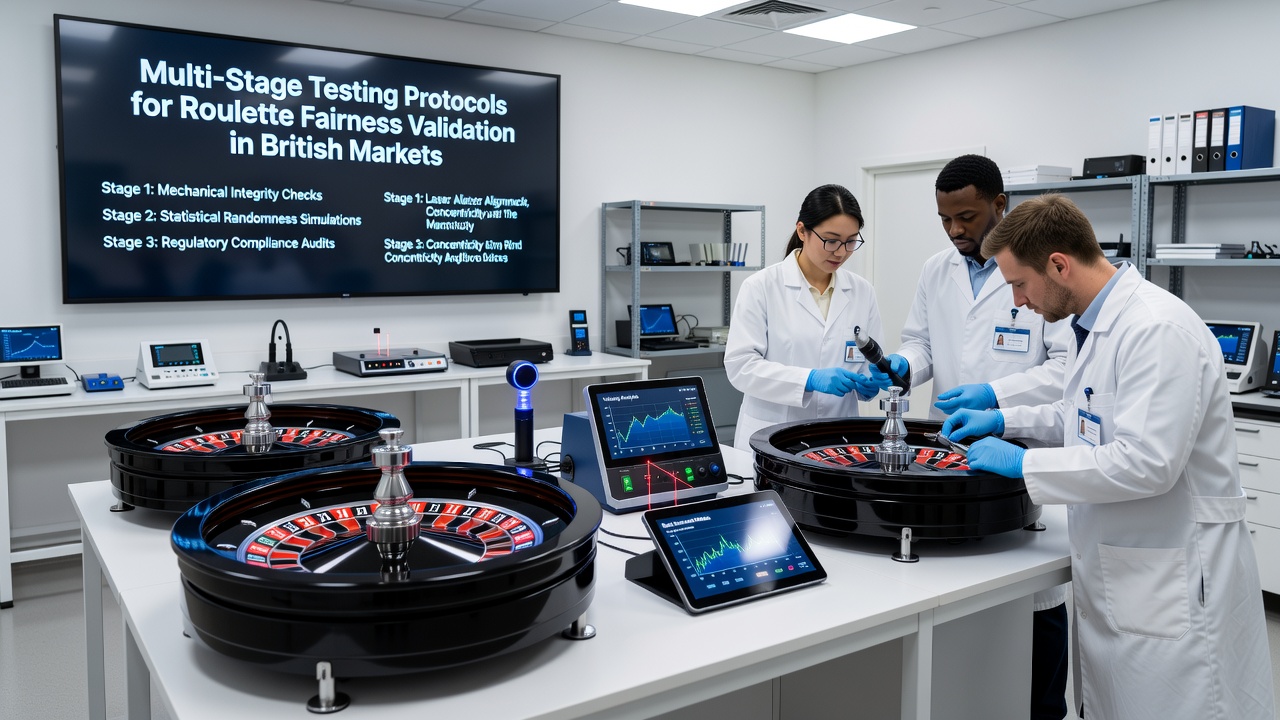
Independent testing facilities apply structured protocols to assess roulette systems destined for British operators, beginning with documentation audits that verify software architecture and hardware specifications against established technical standards, while subsequent stages examine random number generation sequences through statistical batteries such as chi-square, serial correlation, and poker tests that confirm uniformity and independence across millions of simulated spins.
Documentation and Initial Compliance Checks
Facilities receive detailed submissions that include source code, algorithm descriptions, and hardware schematics before any hands-on evaluation begins, and reviewers cross-reference these materials against international benchmarks drawn from multiple jurisdictions to establish baseline eligibility for further scrutiny. Experts compile discrepancy reports when documentation falls short of required transparency thresholds, returning incomplete packages to developers for clarification while maintaining chain-of-custody records throughout the intake process.
Statistical Validation of Random Number Generators
Once documentation clears initial review, laboratories subject RNG outputs to extensive statistical suites that process sample sizes exceeding one billion iterations, applying Diehard and NIST test suites alongside bespoke runs analyses that detect subtle patterns or biases, and results feed into pass-fail determinations that operators must satisfy before market deployment. Data from these evaluations reveal that compliant RNG implementations maintain deviation margins below 0.01 percent across extended test runs, confirming adherence to fairness criteria that British market participants rely upon.
Physical Wheel and Mechanical Component Assessments
Mechanical roulette wheels undergo separate calibration protocols that measure pocket dimensions, rotor balance, and deceleration profiles using precision instrumentation, while high-speed cameras capture thousands of spins to quantify any physical anomalies that could influence outcomes, and technicians document wear patterns that emerge after simulated high-volume usage cycles. These evaluations integrate with digital monitoring systems that log performance metrics over time, creating baseline profiles against which future inspections compare to identify drift or tampering indicators.
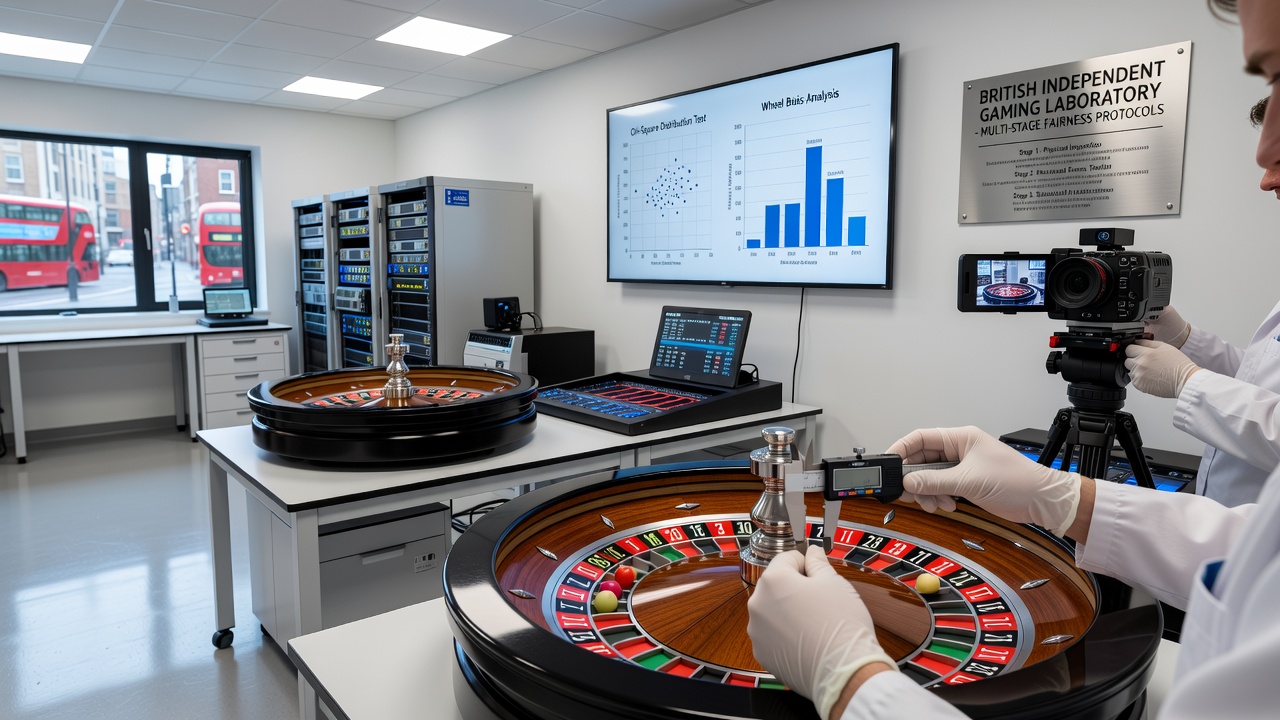
August 2026 saw several facilities update their mechanical testing rigs to incorporate enhanced sensor arrays capable of detecting micro-vibrations previously outside measurement thresholds, and these refinements align with broader industry shifts toward real-time integrity monitoring that extends beyond initial certification. Observers note that such advancements build upon existing frameworks established by bodies like the Alcohol and Gaming Commission of Ontario, which emphasize continuous verification rather than one-time approvals.
Live Dealer and Hybrid System Evaluations
Protocols for live dealer configurations combine RNG assessments with human-factor reviews that examine dealer rotation schedules, camera synchronization, and table sensor accuracy, while hybrid games that blend physical wheels with electronic bet interfaces receive layered testing that validates both mechanical randomness and digital transaction integrity. Researchers have documented cases where multi-stage approaches uncovered integration flaws between physical components and software overlays that single-method checks would have missed.
Ongoing Surveillance and Recertification Cycles
After initial approval, facilities mandate periodic re-evaluations that occur at intervals determined by game volume and update frequency, and these cycles include fresh statistical sampling plus hardware inspections that confirm continued compliance, with any detected variance triggering immediate suspension until remediation occurs. Industry reports from sources such as the Australian Gambling Research Centre highlight how recurring audits correlate with sustained player confidence levels across regulated markets.
Conclusion
Multi-stage testing protocols executed by independent laboratories establish layered safeguards that address both digital and mechanical dimensions of roulette fairness in British markets, and the cumulative evidence from documentation reviews, statistical batteries, physical calibrations, and surveillance cycles demonstrates how these processes maintain consistent outcome integrity over time. Facilities continue to refine methodologies in response to technological developments, ensuring that validation remains aligned with evolving operational realities.