2 Oct 2026
Charting Development Cycles of Roulette Variants Through Software Innovation and Regulatory Oversight
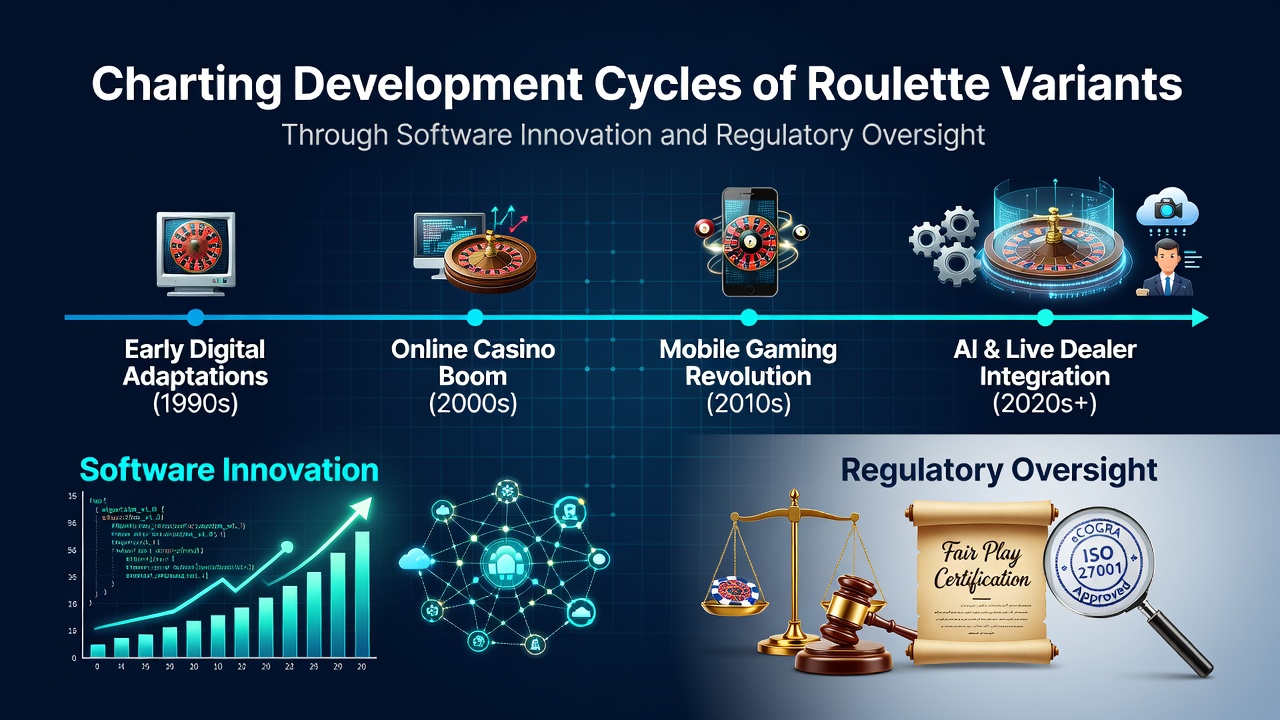
Development cycles in roulette variants follow patterns where software updates align with regulatory reviews, and data from multiple jurisdictions shows these cycles typically span 18 to 36 months from concept to certified release. Observers note that RNG algorithms advance first through internal testing phases, after which oversight bodies examine fairness metrics before market deployment occurs.
Early Innovation Phases in Digital Roulette Systems
Software teams begin by refining random number generators to produce sequences that meet statistical standards, and researchers at institutions such as the University of Nevada, Reno have documented how certification labs verify output distributions across millions of simulated spins. Regulatory frameworks require independent audits at this stage, which creates checkpoints that extend timelines yet reduce variance in final products.
Variants emerge when developers layer new mechanics onto core RNG engines, for instance introducing multiplier triggers or multi-wheel displays that still rely on the same underlying probability models. These additions move through alpha testing where internal teams measure spin intervals and payout consistency before submitting packages for external review.
Regulatory Checkpoints That Shape Release Timelines
Oversight agencies in different regions enforce distinct documentation requirements, and figures from the Nevada Gaming Control Board indicate that submissions for RNG-based games now include detailed source code reviews alongside live-environment stress tests. European regulators apply similar scrutiny through technical standards that emphasize player protection data logging, which in turn influences how quickly studios iterate on features like auto-play limits or session timers.
Cycles accelerate when regulators pre-approve modular components, allowing studios to swap visual themes or add side bets without full re-certification. Data shows that jurisdictions adopting such modular approaches recorded 22 percent shorter approval windows between 2024 and 2026 compared with earlier periods that demanded complete re-evaluations for every change.
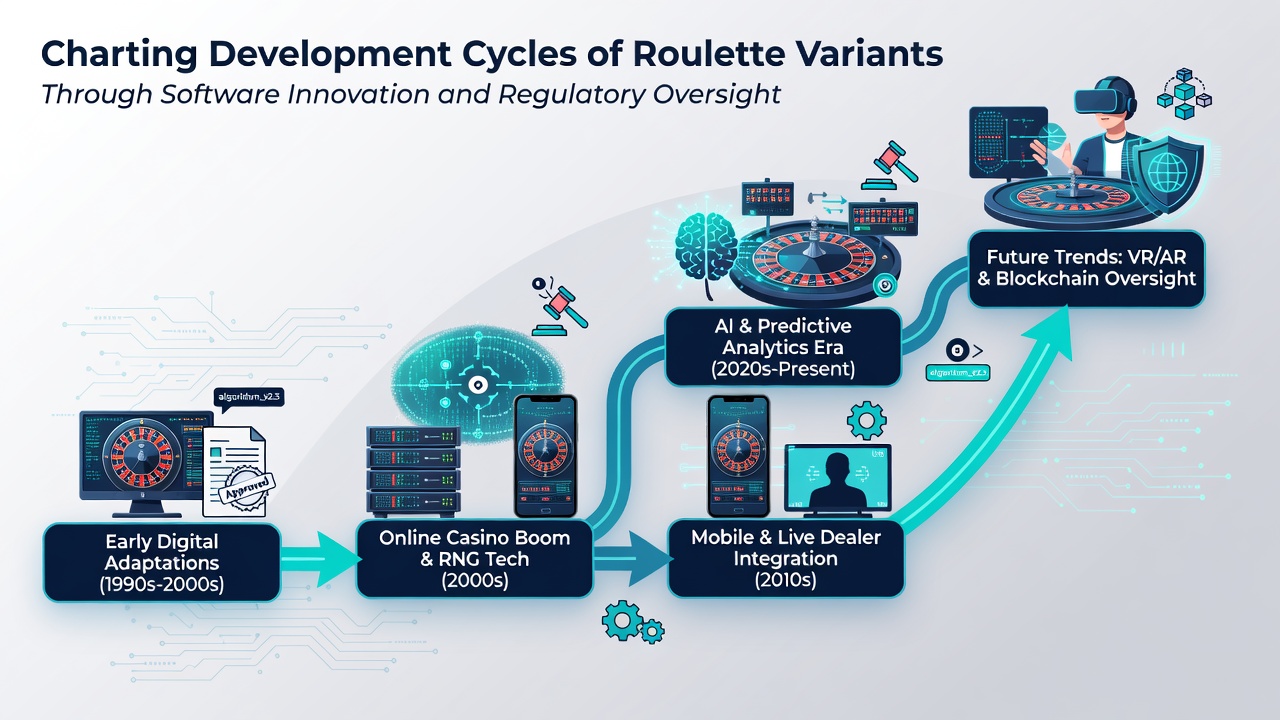
Integration of Live Dealer Technology and Oversight Adjustments
Live dealer platforms combine physical wheels with streaming software, and certification processes now require synchronized audits of both hardware and broadcast integrity. In October 2026 several operators reported deploying upgraded latency reduction tools that maintain frame rates above 60 per second while logging every card or ball outcome for post-session verification.
Regulatory bodies in Australia and Canada have published guidelines that mandate real-time anomaly detection within these streams, prompting developers to embed monitoring scripts directly into the encoding pipeline. Such integration shortens the feedback loop between observed irregularities and corrective patches, compressing later stages of each development cycle.
Mechanical Variants and Emerging Certification Routes
Physical roulette cabinets certified under B3 standards follow separate pathways that blend mechanical engineering with embedded software controls. Trade data from industry expos in 2026 revealed that hybrid mechanical-electronic models undergo sequential testing where wheel bias measurements precede software checksum validation.
Observers tracking these releases note that regulatory acceptance of third-party sensor arrays has reduced the number of on-site inspections required, allowing manufacturers to schedule production runs with greater certainty. This adjustment appears in cycle records as a measurable compression of the final validation phase.
Future Cycle Patterns and Cross-Border Harmonization Efforts
International working groups continue to align technical standards across borders, and reports from the International Association of Gaming Regulators highlight pilot programs that accept audit results from one jurisdiction as partial evidence in another. Such harmonization could further shorten overall development timelines once more regulators formalize reciprocal recognition agreements.
Conclusion
Development cycles of roulette variants reflect ongoing interplay between software refinement steps and regulatory review gates, with measurable effects on release pacing across global markets. Data collected through 2026 indicates that continued modular certification models and cross-jurisdictional audit sharing will remain central factors shaping how quickly new variants reach players while maintaining documented fairness standards.